
Cosmetic Your Ways Blog
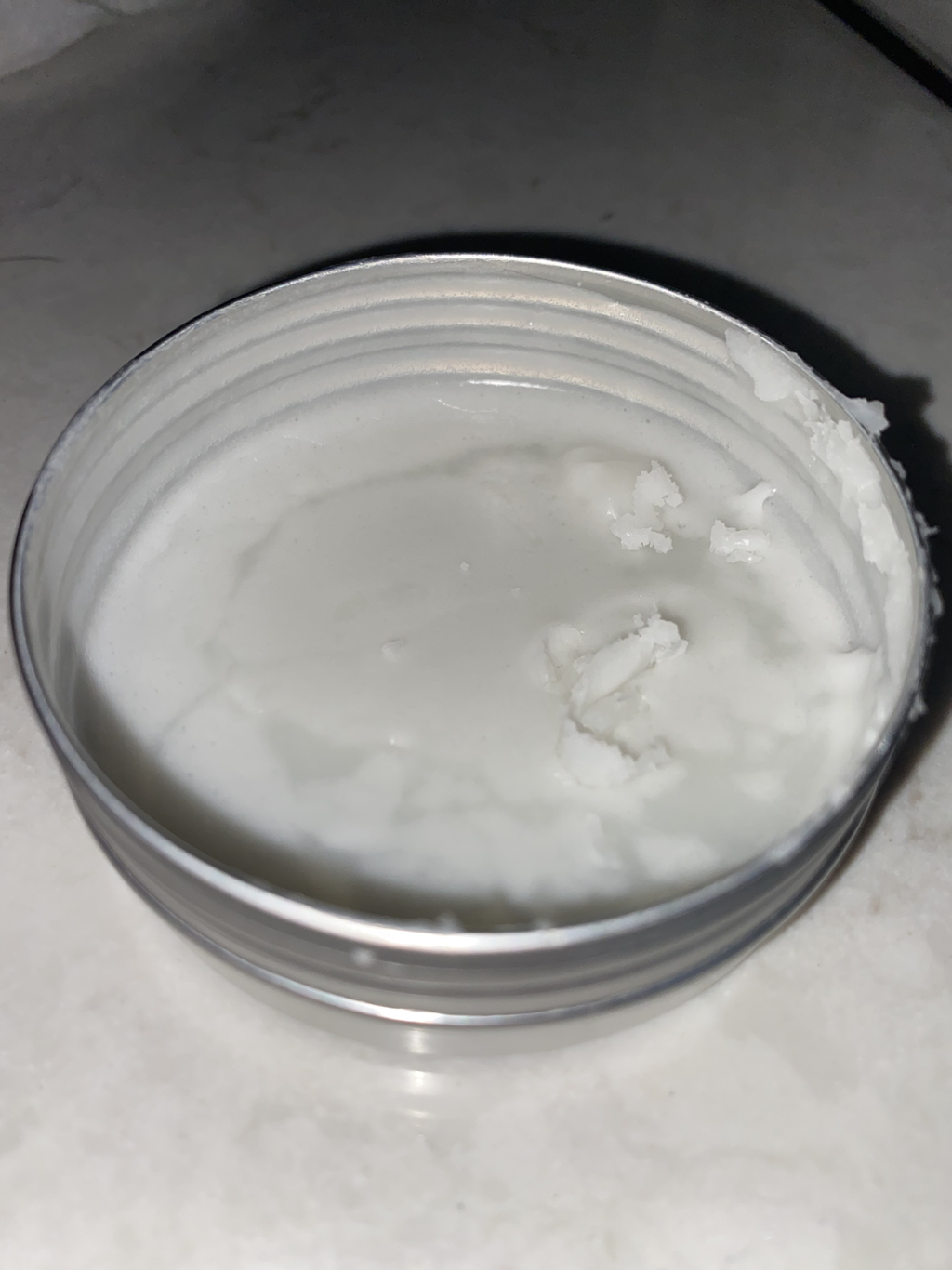
Solid Brush Shampoo with Sodium Stearate
In this post, I will share my solid brush cleaner formulation.
What is the difference between Disodium EDTA and Tetrasodium EDTA?
In this post, we are going to be comparing Disodium EDTA and Tetrasodium EDTA.
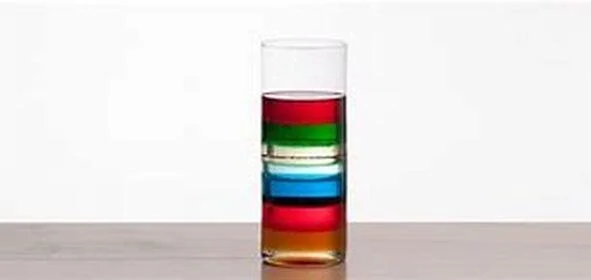
What are the different Types of Antioxidants we can use for oxidation?
In this post, we are going to be talking about the different vitamin E's that are available. there’s been a lot of confusion on the different types of vitamin E. Each has a different purpose and level of efficacy they provide formulas. From suppliers, there is normally the natural version of vitamin E, the mixed tocopherols, and the acetate version. I have been using dl-alpha-tocopherol for as long as I have been formulating.

Three Easy Formulations to Try in the New Year
Formulating your own cosmetics is so rewarding. So for this free post, I want to share three easy formulations that you can make for the new year. I will focus on easy ingredients that you can find readily on Amazon. These will be great first-time projects. This post will assume that you know how to scale formulations. If you do not then please read this post. (Link)
The equipment that you will need is a scale, glass beaker, something to stir with like a lab spoon, and something to whisk. Make sure whatever that you use, it is only for formulating and not for food.
For the ingredients, I want a liquid oil, refined shea butter, beeswax, and vitamin E. Let's talk about these.
What Makes a Good Liquid Binder?
This is a quick post on choosing liquid binders for pressed powders. I got a question about a liquid binder, which made me realize I haven't really talked about what you should consider when choosing a liquid binder. There are many options for liquid binders, such as vegetable oils, silicones, hydrocarbons, dimethicones, esters, and silicone replacements.

Last Minute Holiday Gifts
In this post, I will be sharing with you last-minute gifts for the holidays. As a start, you can check out the formulation directory for some ideas. I have MANY simple formulations.
Absorption Speed of Vegetable Oils
In this post, I will be sharing a nice chart with the absorption speeds of a common cosmetic oils and butters. The absorption speed is the time from application to when it is absorbed.

Three-Year Blog Anniversary
Another year!?! I can not even believe it. I really want to say thank you to all who have joined, whether recently or since the beginning. It has been such a good year for the blog, and I only see it going up from here. This site has gone through so many wonderful changes.
Video Critique: DIY ICY Pain Relief Gel
In this post, I all going to be critiquing Yaya’s creations video. I have linked the video below for you to watch. I do not want to send any hare to this person I just want to help with formulation.
Disclaimer:
You are at your own risk when making anything from this blog. I am not liable for any mishaps that may occur. I do my best to include everything in the procedure to minimize the likelihood of accidents. My recommendation is always to read the post entirely first and then make the product.
Please keep in mind that these recipes/formulations are NOT meant to be sold or reproduced in large quantities. None of my recipes has been appropriately stability tested. I recommend seeking professional help if you want to start your own line of business. (link)
Always test a patch of new ingredients before using them.
Comments and opinions written by authors on Cosmetic Your Ways are their own and do not represent the views of any past, present, or future employers.