
Cosmetic Your Ways Blog
Lightweight Mango Body Milk
I was inspired by watching Tara Lee's Match Latte Body Milk to make my own. The starting ingredient in this formulation is Glyceryl Stearate (and) PEG-100 Stearate. It creates thin emulsions. It only gets viscosity from fatty thickeners and gums. To get better stability, I added a chelating agent. Tetrasodium Glutamate Diacetate is considered natural. I chose xanthan gum because it has strong suspending properties that will improve the emulsion's stability. Typically, the thinner the emulsion, the less stable it is. The reason is that the oil droplets can move more and collide with each other, which destabilizes the emulsion.
How to Store Cosmetic Raw Materials (Without Ruining Your Ingredients)
I know first hand how not properly storing your ingredients negativity affects them. My current formulation set up is in a garage and I have learned the do’s and don’ts for storage. I will share all my tips and suggestions.
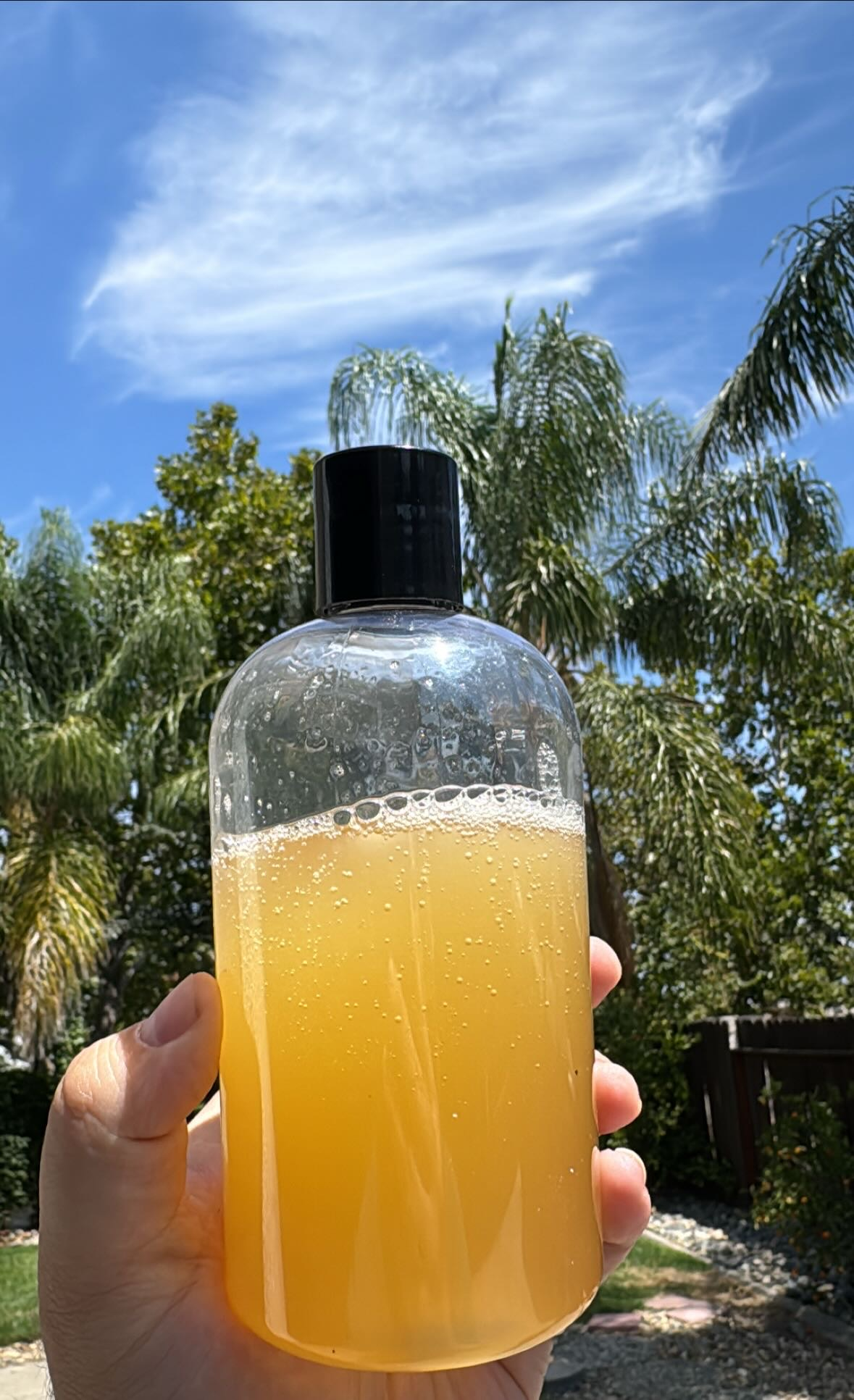
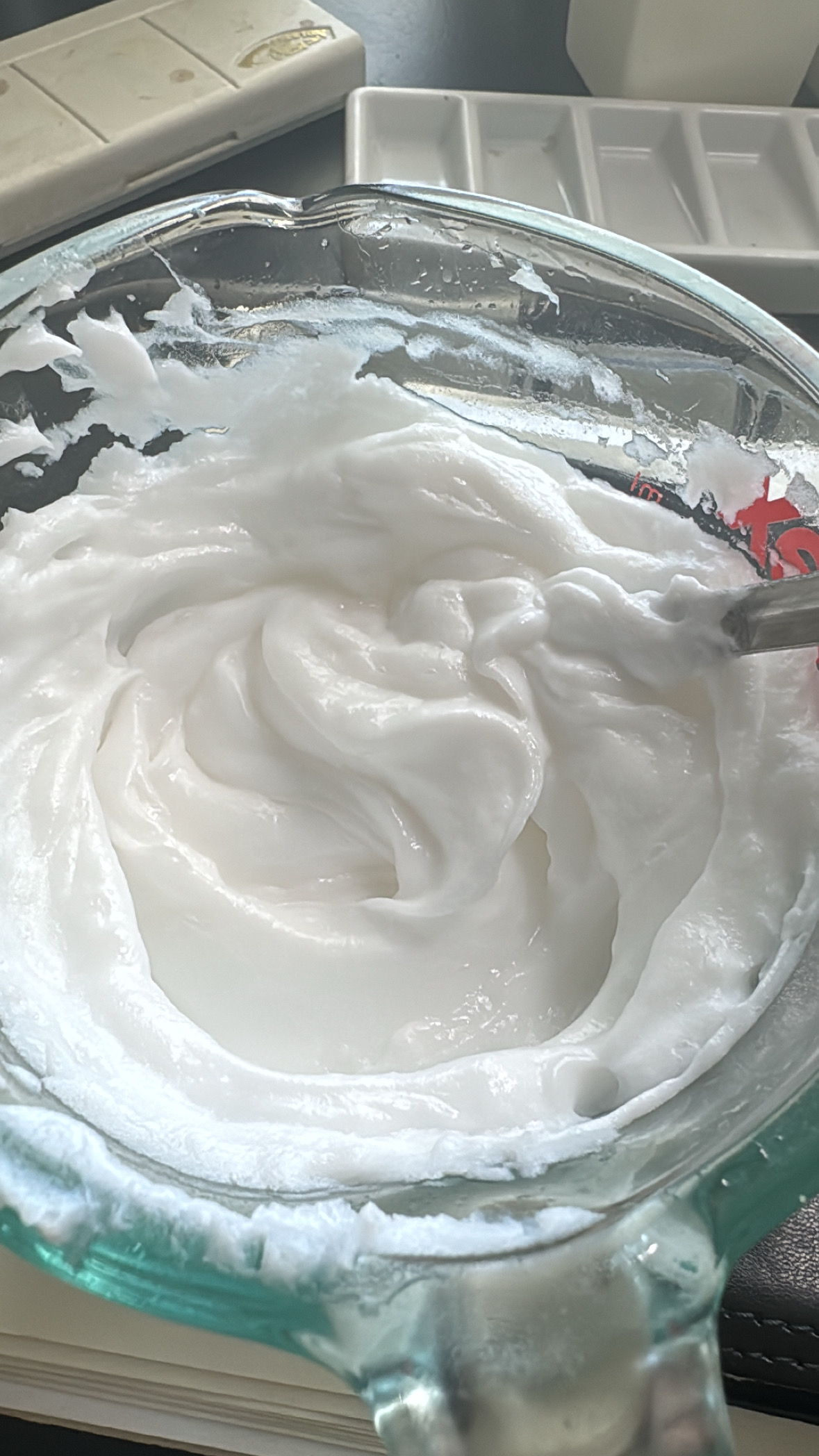
Creamy Coconut Shaving Soap
In this post, I am going to be sharing my coconut cream shaving soap. I have been trying to use sodium stearate in different ways. One of the ways that suppliers were using it is to make shaving products. Supplier formulations inspired this formulation. Because of the sodium stearate, this is soap! It is same day formulation.
Adding Solubilizers to Surfactant Products
Another formulator claims that a solubilizer like polysorbates or PEG-40 hydrogenated castor oil should not be used in surfactant products. I made a formulation with 15% polysorbate, but it did not foam. You can see that here. So, solubilizers can affect foam. Surfactants in the formulation should be able to solubilize the fragrance. If you want a clear formulation, then add a solubilizer.
Disclaimer:
You are at your own risk when making anything from this blog. I am not liable for any mishaps that may occur. I do my best to include everything in the procedure to minimize the likelihood of accidents. My recommendation is always to read the post entirely first and then make the product.
Please keep in mind that these recipes/formulations are NOT meant to be sold or reproduced in large quantities. None of my recipes has been appropriately stability tested. I recommend seeking professional help if you want to start your own line of business. (link)
Always test a patch of new ingredients before using them.
Comments and opinions written by authors on Cosmetic Your Ways are their own and do not represent the views of any past, present, or future employers.
Quick Links
Archive
- September 2026
- August 2026
- July 2026
- June 2026
- May 2026
- April 2026
- March 2026
- February 2026
- January 2026
- December 2025
- November 2025
- October 2025
- September 2025
- August 2025
- July 2025
- June 2025
- May 2025
- April 2025
- March 2025
- February 2025
- January 2025
- December 2024
- November 2024
- October 2024
- September 2024
- August 2024
- July 2024
- June 2024
- May 2024
- April 2024
- March 2024
- February 2024
- January 2024
- December 2023
- November 2023
- October 2023
- September 2023
- August 2023
- July 2023
- June 2023
- May 2023
- April 2023
- March 2023
- February 2023
- January 2023
- December 2022
- November 2022
- October 2022
- September 2022
- August 2022
- July 2022
- June 2022
- May 2022
- April 2022
- March 2022
- February 2022
- January 2022
- December 2021
- November 2021
- October 2021
- September 2021
- August 2021
- July 2021
- June 2021
- May 2021
- April 2021
- March 2021
- February 2021
- January 2021
- December 2020
- November 2020
- October 2020
- September 2020
- August 2020
- July 2020
- June 2020
- May 2020
- April 2020
- March 2020
- February 2020
- January 2020
- December 2019
- November 2019
- October 2019
- September 2019
- August 2019
- July 2019
- June 2019
- May 2019
- April 2019
- March 2019
- February 2019
- January 2019
- December 2018