
Cosmetic Your Ways Blog
High School-Level Chemistry Resources
In this post, I am going to share with you my resources for high school chemistry. Chemistry in high school can be quite tough for several reasons. I find most are not prepared for the algebra that it takes. It is also partly about the new type of logical thinking students are expected to do. The concepts are also just hard.
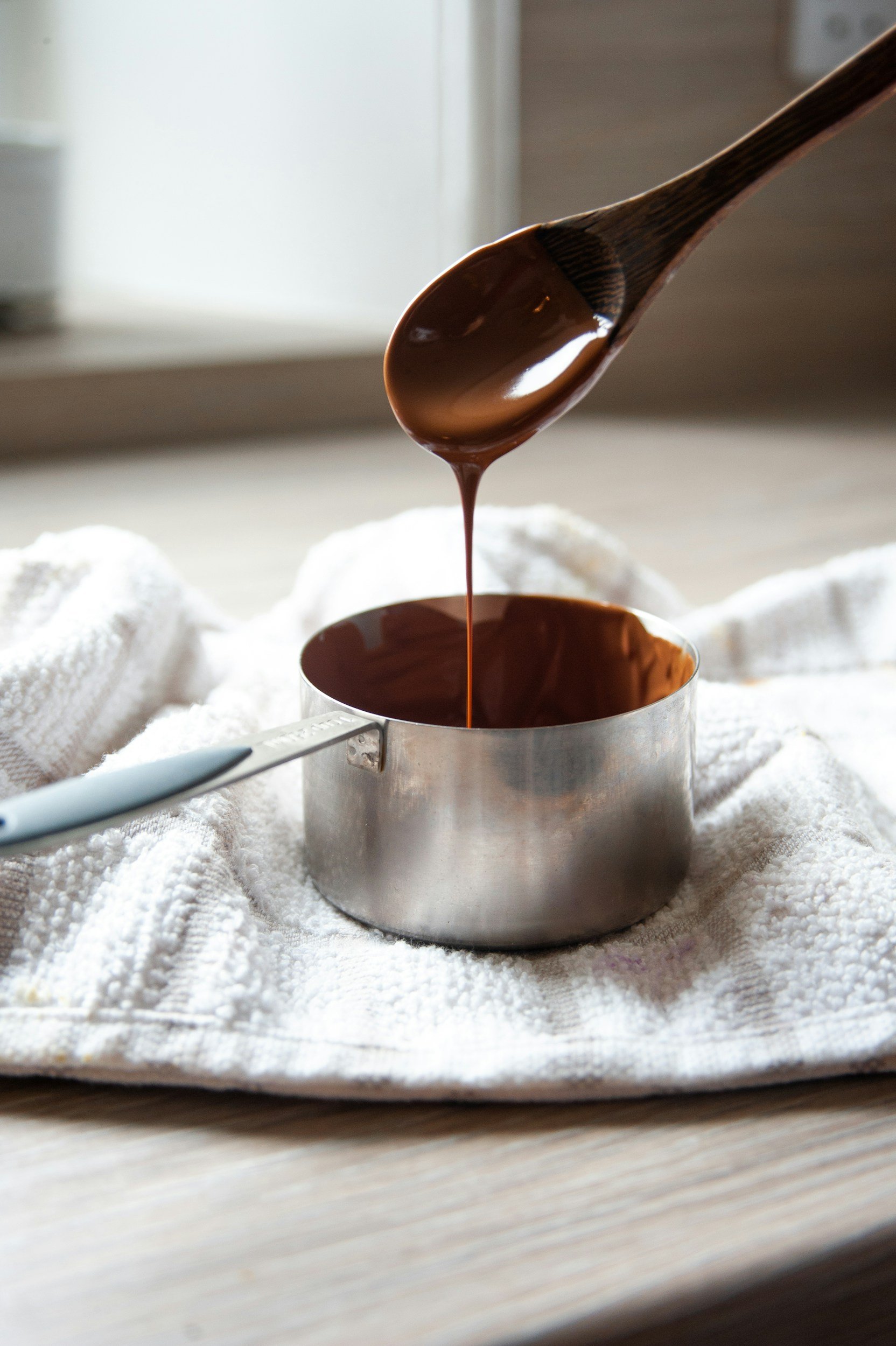
Hard to Melt Ingredients
In this post, I am going to be sharing with you how to work with hard to melt ingredients, as well as give you my tips. Some ingredients that can be hard to melt are BTMS-50, Polyamide-3, and the crystalline waxes.
Glyceryl Stearate Vs. Glyceryl Stearate SE Vs. Glyceryl Stearate Citrate
In this post, I am going to be comparing the three ingredients. I was confused about them and I see other are confused about them as well. They are NOT the same and can NOT be used interchangeably. Let's compare.
Quick Post: Working Around Scales Max Capacity
Not everyone can get multiple different fancy scales to formulate. So in this post, I want to talk about how to get around Max capacities. The max capacity is the max amount of weight that your scale can hold.
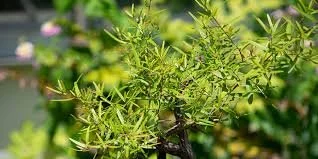
Lemon & Tea Tree Facial Toner
This formulation is inspired by Lush's Tea Tree Toner. This is a good example formula for working with a solubilizer and adding oil to a water-based product.
Formulating With Supplier Bases and Formulas
I see more people formulating with supplier bases, and I wanted to share some things that you need to keep in mind. I am also going to talk about supplier formulations as well.
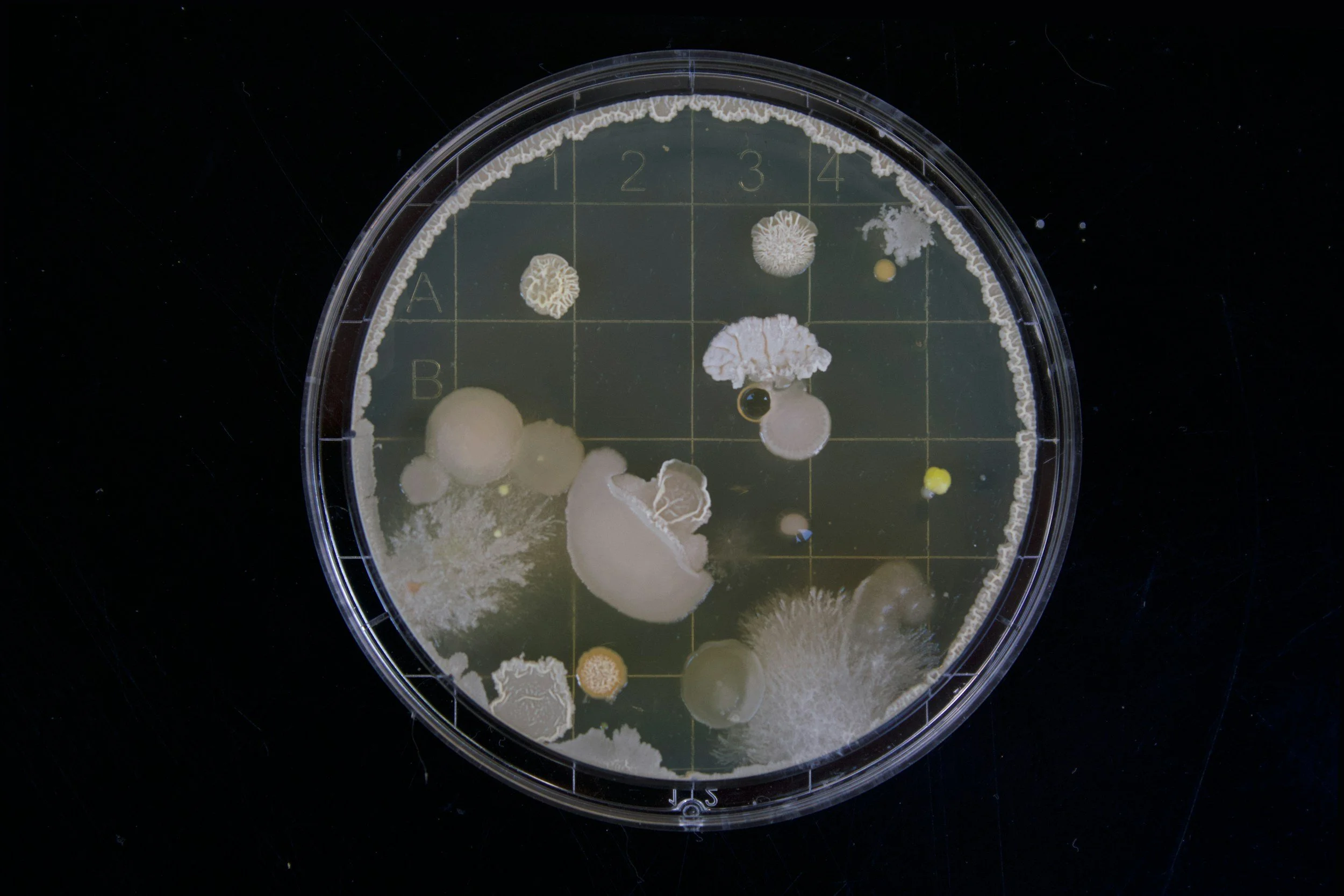
Preservative-Free is Quite Misleading
This post is a continuation of the last post on preservatives. There are cases where you do not need a preservative. In this post, I want to talk about preservative-free, the exception.
Micellar Water Experiment
I have just been experimenting with using different ingredients to make different products. This is going to be more of a "traditional" formulation. For micellar water, I typically use polysorbates. In this formulation, I blended two solubilizers. PEG-40 Hydrogenated Castor oil has a great cushion and does not leave the skin tacky. For a chelator, I wanted to try tetrasodium glutamate diacetate. Check out my natural version here.
Soothe + Moisturize Body Lotion
I have been saying for a while in my body lotion posts that my body skin is dry. Perry Romanowski, an industry professional, really solidified for me that petroleum really is the best occlusive that a formulator has. I have also had conversations with other formulators who use it and love it in their formulations as well. With nothing to lose, I decided to purchase some. I know most are not going to want to use mineral oil and petrolatum in their formulation, from all the fear-mongering. I cannot force anyone to use anything, just please do not fear perfectly safe ingredients. What we use in cosmetics is highly refined. In the substitution section, I will detail how to still use this formulation.
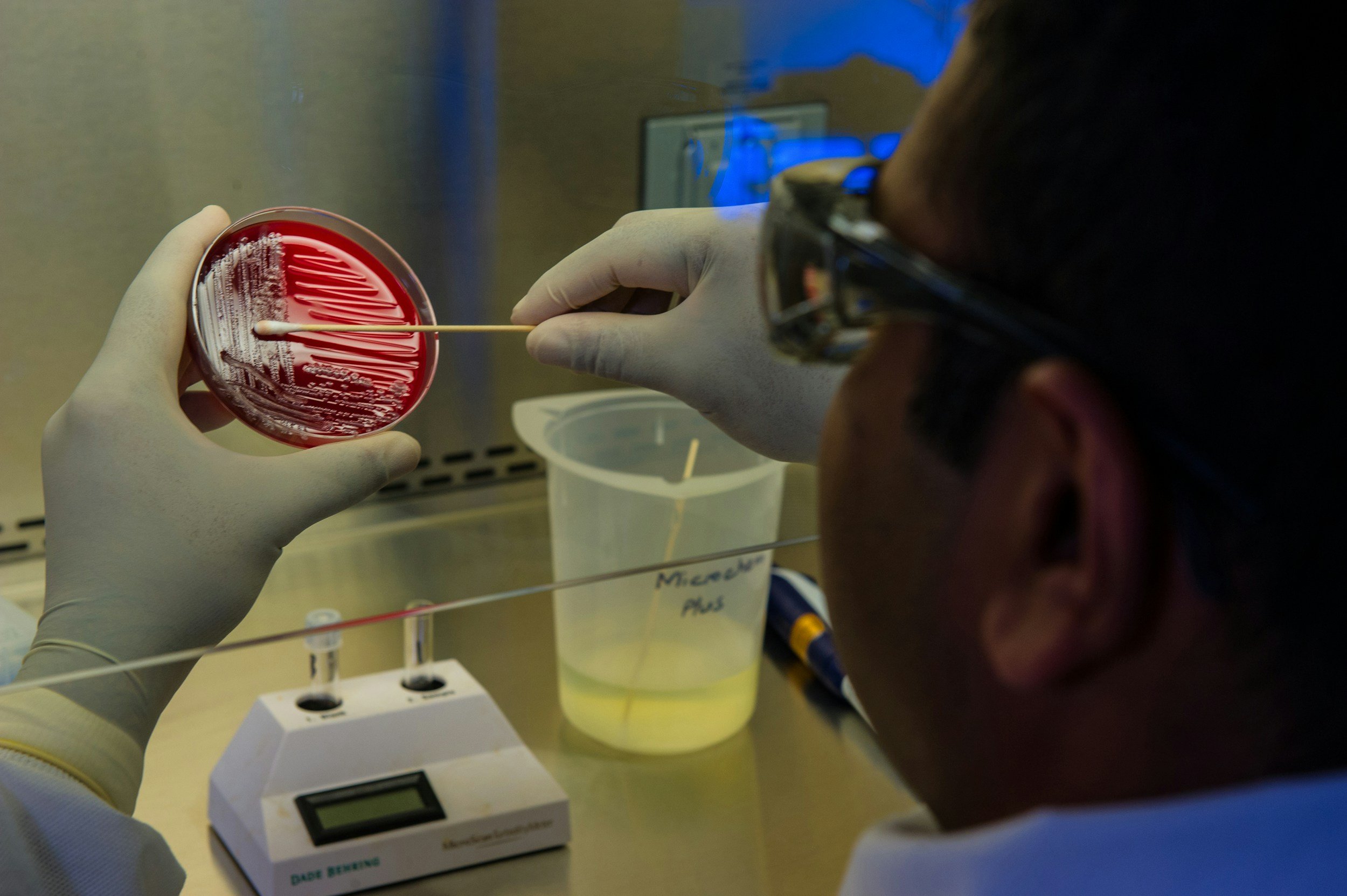
Introduction to Microbiology for Formulators
I want to dive into why do we even need preservatives in the first place. I know most of you understand that we need them, but what are we actually concerned about. This post is going to answer that for you.
Disclaimer:
You are at your own risk when making anything from this blog. I am not liable for any mishaps that may occur. I do my best to include everything in the procedure to minimize the likelihood of accidents. My recommendation is always to read the post entirely first and then make the product.
Please keep in mind that these recipes/formulations are NOT meant to be sold or reproduced in large quantities. None of my recipes has been appropriately stability tested. I recommend seeking professional help if you want to start your own line of business. (link)
Always test a patch of new ingredients before using them.
Comments and opinions written by authors on Cosmetic Your Ways are their own and do not represent the views of any past, present, or future employers.