
Cosmetic Your Ways Blog
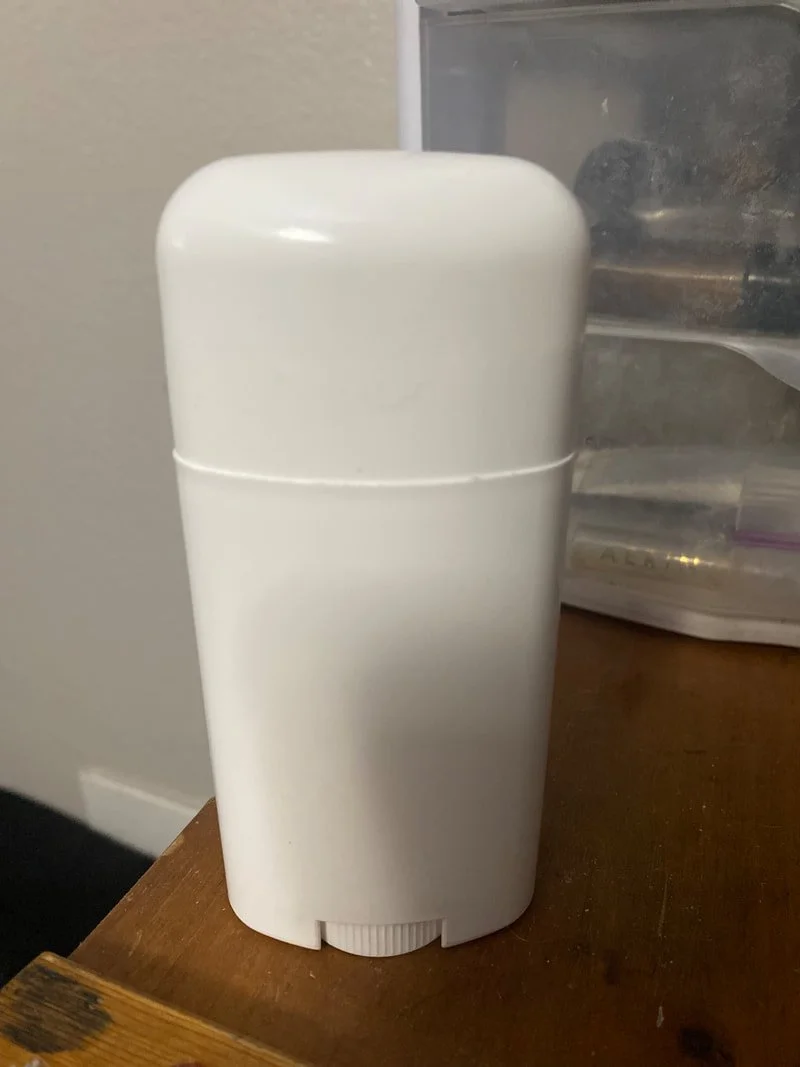
Anhydrous Antiperspirant with Aluminum Chlorohydrate and Deodorant Formula
Note, this is a regulated drug in the United States; you cannot just put this on the market. I am using this for formulation experience, personal use, and for potential clients. If you want to make this a deodorant, I will share how to alter it to that. To learn more about the difference between an antiperspirant and a deodorant, read this post (Link).

Chapter 2: Measurements and Problem Solving Video Lecture
Ready to learn more chemistry? Chapter 2 is ready for you to view.
Powder Binders Used in Color Cosmetics
Powder binders help pressed products hold together and stay in the pan. They can also increase the wear of products in loose products. We have access to three powder binders: Magnesium Stearate, Zinc Stearate, and Magnesium Myristate.
Fragrance Oils and IFRA
This is an important post if you want to use fragrance oils in your formulations. IFRA stands for International Fragrance Association. It is an association that ensures fragrance compounds, fragrances, and essentials oils are used in personal care properly, without causing irritation or sensitivities.
Working with Powdered Surfactants Video Tutorial + Formulation
This is going to be a two-for-one. I got a request for guidance on working with powder surfactants. I do have a written post on this topic too (Link). I was also going to make shampoo for my mom. She has curly hair and is color-treated. So my goal is to make something mild. I want her hair to feel moisturized after using the shampoo and conditioner.

Honey, Aloe, & Shea Hand Wash
In this post, I am going to share with you how to formulate a hand wash with decyl glucoside. I know many natural formulators use this, so I wanted to learn more about it myself. The decyl glucoside was gifted to me from Essential Labs (Link). No affiliate links or anything, just want to disclose that it was gifted from them. They are currently rebranding, so some information might not be on the site, but it will be soon.

Do we have to worry about chemical reactions when formulating?
If you know me by know I am quite into chemistry. I am getting a Bachelor of Science in Chemistry. Right now I am at a community college in my second semester of organic chemistry. Organic chemistry is quite hard, but it is quite rewarding. It is all the chemistry of our raw material, and how they are made. My first semester, with a month left, my professor had to go on medical leave. So it was quite hard to learn the last month. So, I am trying to build up my resources so that I can take the final exam. For my college the final exam is the American Chemistry Society's (ACS) exam. It is one of those standardized exams.

Evaluating your own formulas
In this post, we are going to talk about reviewing your old formulas.
You Cannot Just Add Urea into a Formulation (Blog Post Version)
I have been seeing people add urea into a formula; you cannot do that. This is a more advanced ingredient to work with. It can be dangerous if not properly formulated. I will make this a blog post so you can read the sources. It has been months of research.
Formulating with Optiphen Plus
I have a client who is using Optiphen Plus as the preservative system. I thought I would make an ingredient guide for it, since I now have experience with it. I have made ingredient guides before, but I have not used them. I now know it is not a good idea anymore. There are so many nuances that you really need to actually formulate with it.
Disclaimer:
You are at your own risk when making anything from this blog. I am not liable for any mishaps that may occur. I do my best to include everything in the procedure to minimize the likelihood of accidents. My recommendation is always to read the post entirely first and then make the product.
Please keep in mind that these recipes/formulations are NOT meant to be sold or reproduced in large quantities. None of my recipes has been appropriately stability tested. I recommend seeking professional help if you want to start your own line of business. (link)
Always test a patch of new ingredients before using them.
Comments and opinions written by authors on Cosmetic Your Ways are their own and do not represent the views of any past, present, or future employers.
Quick Links
Archive
- May 2026
- April 2026
- March 2026
- February 2026
- January 2026
- December 2025
- November 2025
- October 2025
- September 2025
- August 2025
- July 2025
- June 2025
- May 2025
- April 2025
- March 2025
- February 2025
- January 2025
- December 2024
- November 2024
- October 2024
- September 2024
- August 2024
- July 2024
- June 2024
- May 2024
- April 2024
- March 2024
- February 2024
- January 2024
- December 2023
- November 2023
- October 2023
- September 2023
- August 2023
- July 2023
- June 2023
- May 2023
- April 2023
- March 2023
- February 2023
- January 2023
- December 2022
- November 2022
- October 2022
- September 2022
- August 2022
- July 2022
- June 2022
- May 2022
- April 2022
- March 2022
- February 2022
- January 2022
- December 2021
- November 2021
- October 2021
- September 2021
- August 2021
- July 2021
- June 2021
- May 2021
- April 2021
- March 2021
- February 2021
- January 2021
- December 2020
- November 2020
- October 2020
- September 2020
- August 2020
- July 2020
- June 2020
- May 2020
- April 2020
- March 2020
- February 2020
- January 2020
- December 2019
- November 2019
- October 2019
- September 2019
- August 2019
- July 2019
- June 2019
- May 2019
- April 2019
- March 2019
- February 2019
- January 2019
- December 2018