
Cosmetic Your Ways Blog

Can’t Put a Hot Item on the Scale? Here’s How to Work Around It
Accurate weighing is essential in cosmetic formulation. Whether you are making a lotion, cleansing balm, shampoo, or conditioner, even a small weighing error can change the texture, stability, preservation, or performance of the finished product. Down the road, it can create issues as you try to scale up your formulation. But what happens when an ingredient, beaker, or formulation is hot—and you cannot safely place it directly on the scale?
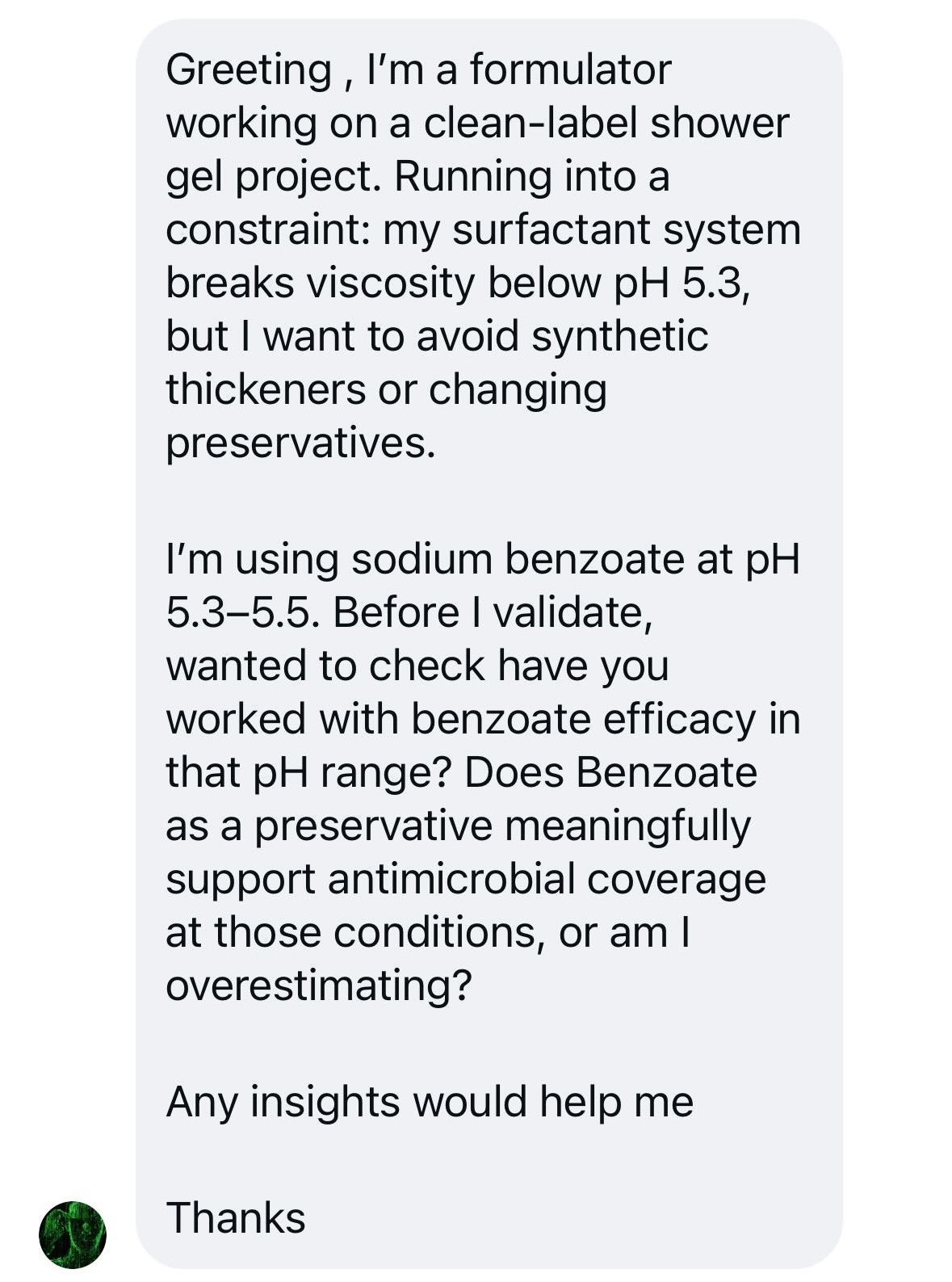
Questions in my DMs Part 1: Natural Preservatives in a Surfactant Product.
I got this question in my DMs, and I would love to talk about it here. Feel free to ask me questions in my DMs. I can make dedicated posts for them. It is hard to answer those questions with detail in DMs.
Powdered vs. Liquid Panthanol
Panthenol is sold as both a powder and a liquid because the active ingredient can be supplied in different forms and concentrations.

Formulating with Essential Oils and Fragrance Oils
Essential Oils, Fragrance Oils, and Flavor Oils are not the same. Essential oils can be naturally derived from plants, have complex chemical compositions, and pose greater variability and oxidation concerns. Essential Oils can vary from batch to batch depending on the plant source, growing conditions, harvest timing, processing method, and storage conditions. Formulators and brands seeking "natural “formulations often use essential oils. Fragrance oils can be natural, synthetic, or a blend, providing consistent scent from batch to batch and often being more stable and less reactive.
Functional Groups in Cosmetic Chemistry: A Formulator’s Toolkit
After exploring hydrocarbons, esters, ethers, alcohols, carboxylic acids, ketones, aldehydes, and amines, one thing becomes clear:
Functional groups define how ingredients behave.
They determine everything from texture and stability to absorption, reactivity, and performance. For formulators, understanding functional groups isn’t just academic—it’s the foundation of intentional, high-performance formulation design.
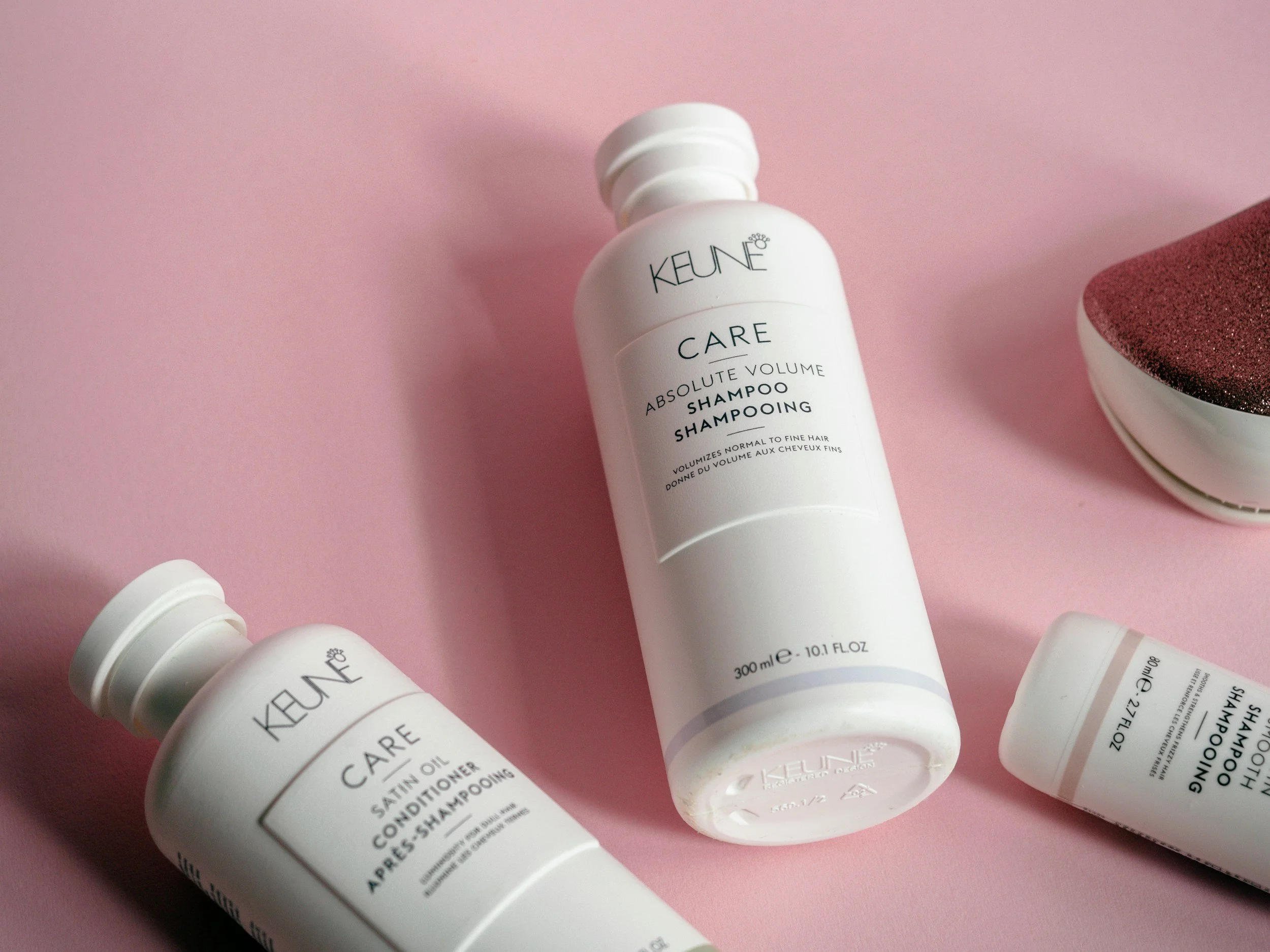
Conditioning Effects of Cationic Amines in Hair Systems
Cationic amines (and their quaternary derivatives) are the backbone of modern hair conditioning. If you’ve ever wondered why a conditioner makes hair feel smoother, easier to detangle, and less frizzy—the answer is largely electrostatics and film formation driven by these ingredients.
Amines in Cosmetic Chemistry: pH Control, Conditioning, and Functional Versatility
Amines are one of the most functionally important—but often overlooked—classes of ingredients in cosmetic chemistry. Unlike emollients that primarily affect feel, amines influence how a formula behaves: its pH, stability, conditioning performance, and even preservation.
They are powerful tools—but require careful handling due to their reactivity.
Aldehydes in Cosmetic Chemistry: Fragrance, Reactivity, and Functional Performance
Aldehydes are a fascinating and sometimes underappreciated class of ingredients in cosmetic chemistry. Known primarily for their role in fragrance, they also bring unique chemical reactivity that can influence preservation, performance, and even formulation stability.
Understanding aldehydes requires balancing their benefits with their sensitivity and reactivity.
Ketones in Cosmetic Chemistry: Solvents, Sensory, and Specialized Functionality
Ketones are a smaller, more specialized class of ingredients in cosmetic chemistry—but they play critical roles in certain formulations, especially where fast evaporation, strong solvency, or precise performance is needed.
While not as broadly used as esters or alcohols, ketones can be indispensable when used correctly.
Carboxylic Acids in Cosmetic Chemistry: Function, Reactivity, and Formulation Control
Carboxylic acids are one of the most functionally diverse groups in cosmetic chemistry. They can exfoliate, preserve, adjust pH, stabilize emulsions, and even structure entire formulations. But with that versatility comes complexity—especially regarding pH, irritation potential, and compatibility.
Mastering carboxylic acids means understanding both their chemistry and their behavior in real formulations.
Disclaimer:
You are at your own risk when making anything from this blog. I am not liable for any mishaps that may occur. I do my best to include everything in the procedure to minimize the likelihood of accidents. My recommendation is always to read the post entirely first and then make the product.
Please keep in mind that these recipes/formulations are NOT meant to be sold or reproduced in large quantities. None of my recipes has been appropriately stability tested. I recommend seeking professional help if you want to start your own line of business. (link)
Always test a patch of new ingredients before using them.
Comments and opinions written by authors on Cosmetic Your Ways are their own and do not represent the views of any past, present, or future employers.
Quick Links
Archive
- September 2026
- August 2026
- July 2026
- June 2026
- May 2026
- April 2026
- March 2026
- February 2026
- January 2026
- December 2025
- November 2025
- October 2025
- September 2025
- August 2025
- July 2025
- June 2025
- May 2025
- April 2025
- March 2025
- February 2025
- January 2025
- December 2024
- November 2024
- October 2024
- September 2024
- August 2024
- July 2024
- June 2024
- May 2024
- April 2024
- March 2024
- February 2024
- January 2024
- December 2023
- November 2023
- October 2023
- September 2023
- August 2023
- July 2023
- June 2023
- May 2023
- April 2023
- March 2023
- February 2023
- January 2023
- December 2022
- November 2022
- October 2022
- September 2022
- August 2022
- July 2022
- June 2022
- May 2022
- April 2022
- March 2022
- February 2022
- January 2022
- December 2021
- November 2021
- October 2021
- September 2021
- August 2021
- July 2021
- June 2021
- May 2021
- April 2021
- March 2021
- February 2021
- January 2021
- December 2020
- November 2020
- October 2020
- September 2020
- August 2020
- July 2020
- June 2020
- May 2020
- April 2020
- March 2020
- February 2020
- January 2020
- December 2019
- November 2019
- October 2019
- September 2019
- August 2019
- July 2019
- June 2019
- May 2019
- April 2019
- March 2019
- February 2019
- January 2019
- December 2018